Most Common B12/MIC Side Effects If irritation continues to occur, apply an over-the-counter itch cream, preferably with hydrocortisone, or discontinue use entirely

Step 3: Slowly rebuild routine (Week 3-6) Once baseline sensitivity is reduced, carefully reintroduce products: Week 3: Add hydrating serum (hyaluronic acid, ceramides, peptides other than copper) Week 4: Add niacinamide if desired (reduces inflammation, supports barrier) Week 5: Consider very gentle chemical exfoliant (mandelic acid once weekly) if skin is fully calm Week 6+: Only now consider reintroducing copper peptides if you still want to try them Rules for reintroduction: Add one product at a time Wait 5-7 days between new additions If anything causes reaction, stop and go back to previous step Take notes on what works and what doesn't Step 4: Reintroduce copper peptides properly (if desired) If you want to try copper peptides again after your skin has healed: Start differently this time: Use 0.5% concentration or lower Apply 2x per week only Start with small area (forearm test first, then small facial area) Wait 4 weeks before increasing frequency or concentration Pay attention to skin's response If problems recur: Copper peptides may not be right for your skin Consider alternatives (regular peptides without copper, retinoids, other collagen-boosting actives) Focus on barrier health and gentle anti-aging approaches Supplements and support for healing While healing damaged skin, these can help: Omega-3 fatty acids: 2-3g daily (reduces inflammation, supports skin barrier) Zinc: 30mg daily (healing, anti-inflammatory, supports skin health) Vitamin C: 1,000-2,000mg daily oral (collagen synthesis, healing) Collagen peptides: 10g daily (provides building blocks for skin repair) Don't supplement copper while healing from copper peptide damage
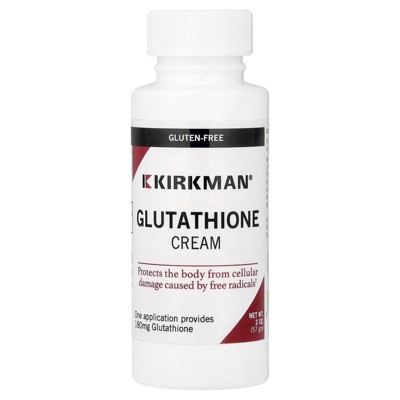
This glutathione reduced 1000mg supplement is manufactured in the USA using global ingredients in a cGMP-certified facility for quality and purity.
In the CT-like conformation, the bypass motif becomes unstructured, and residues (S21-P28) are not well resolved, suggesting this flexible segment is exposed to the solvent environment