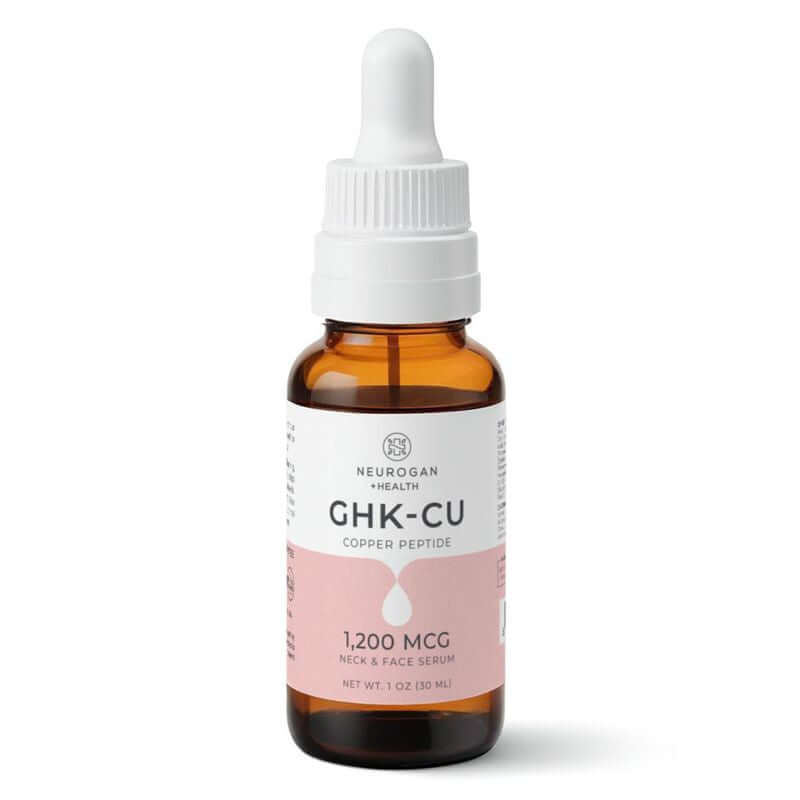
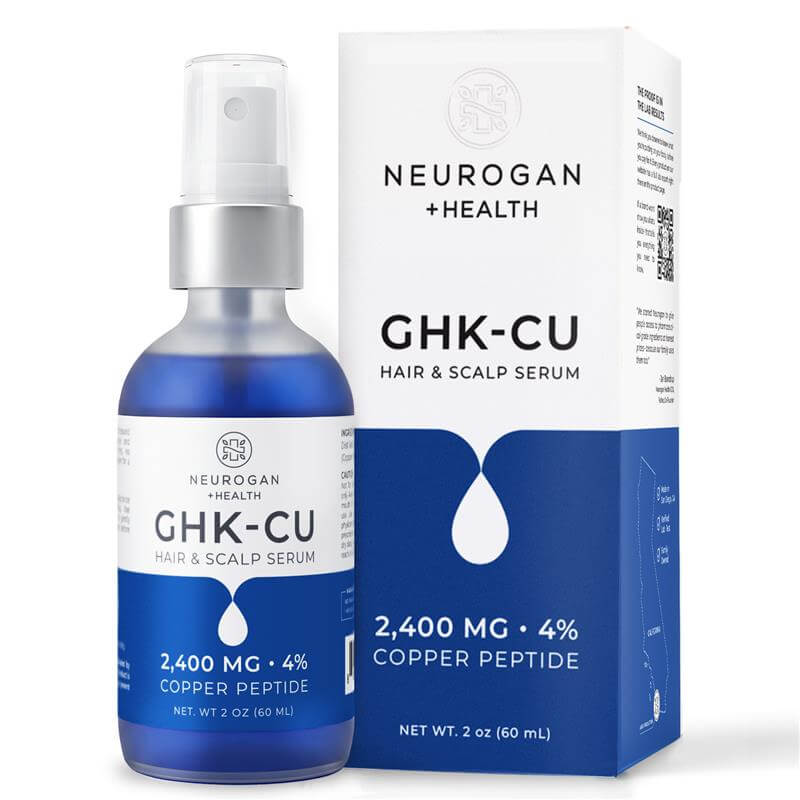
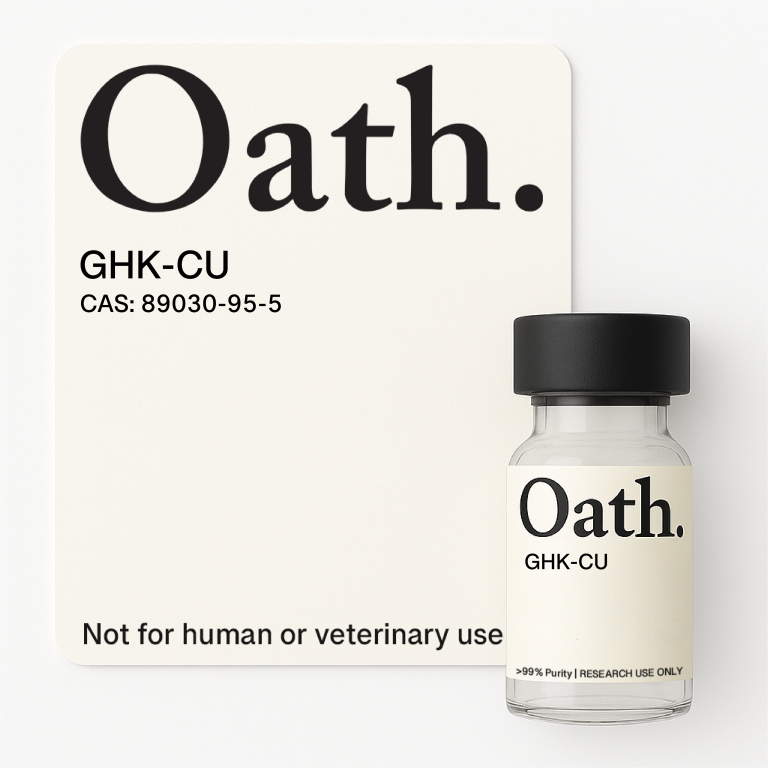
Common formulations include: BPC-157: 10 mg per vial in typical KLOW formulations TB-500: 10 mg per vial in typical KLOW formulations GHK-Cu: 50 mg per vial in typical KLOW formulations (highest proportion) KPV: 10 mg per vial in typical KLOW formulations Total blend: 80 mg combined peptide content Individual component research dosing: BPC-157 studies: 10 mcg/kg most common in rat models (range: 1-1000 mcg/kg) TB-500 studies: 1-10 mg/kg typical range in rodent research GHK-Cu studies: 0.01-100 nanomolar in cell culture
Evidence Boundaries: What This Research Does Not Establish Responsible interpretation of Epitalon research requires acknowledging clear limitations: Telomerase activation observed in cell culture does not confirm that Epitalon activates telomerase in living human tissue Fibroblast telomere elongation in a laboratory dish does not predict organism-level lifespan outcomes No placebo-controlled human trial has measured telomere length before and after Epitalon exposure Claims describing Epitalon as activating telomerase in humans or extending lifespan in people exceed what current published evidence supports Comparing Epitalon to Other Research Peptides This comparison highlights why Epitalon research compound studies occupy a distinct niche within peptide science: its research focus on telomere biology and cellular senescence sets it apart from peptides such as the Semax Peptide ,which are studied primarily for immune, neurological, or tissue-repair applications, including within our BPC Peptides for Cellular & Recovery Research category

If you are unsure, our Health Quiz can provide personalized recommendations based on your unique lifestyle and needs
But also being careful, knowing what's fucked up and what's not, knowing not to try to work through injuries, but to heal them and making sure that they don't happen anymore by increasing range of motion, strengthening things, and just making sure your whole system is strong